






RavPlays
The Best Armor & Clothing Guide For New Players
A detailed look at helmets, vests, jackets, pants, gloves, footwear, damage types, and armor tradeoffs.
Choose clothing for warmth, protection, storage, weather resistance, concealment, durability, and stamina. Compare every major clothing slot, understand wetness, build practical loadouts, and keep your gear repaired.
Core rule
A warm item loses much of its value when it is damaged or soaked. Plan for insulation, condition, and moisture together.
3
Warmth factors
8
Main clothing areas
4
Loadout goals
5
Repair tool groups
The best item depends on what can kill you next. Climate, combat, travel distance, loot goals, and concealment should all influence the outfit.
Clothing priority
Base insulation matters, but condition and wetness decide how much warmth the item actually provides.
Clothing priority
Helmets and armor can reduce health and shock damage. Most regular clothing mainly helps against infected and melee hits.
Clothing priority
Maximum wetness tells you how much water an item can absorb. Damp-limited gear stays useful longer in bad weather.
Clothing priority
Jackets, pants, vests, belts, and backpacks add space, but carrying more gear also increases weight.
Clothing priority
Heavy armor and oversized packs can cut into stamina. Carrying capacity is useful only when the extra gear is worth the cost.
Clothing priority
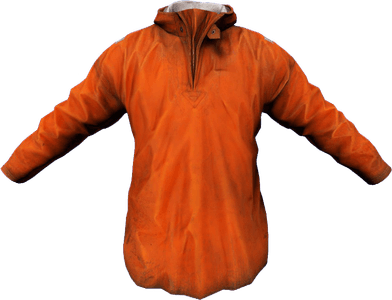
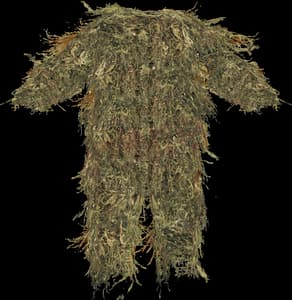
Bright colors, large silhouettes, and loud footwear can make a statistically strong item worse for stealth.
Do not judge warmth by one label alone. Effective insulation changes as gear becomes damaged and wet.
The insulation label is the starting point. Best and high insulation items give you the strongest foundation for cold-weather survival.
Damaged clothing provides less effective warmth. Keep important layers repaired before long trips or cold nights.
Wet, soaked, and drenched clothing loses insulation. Highly absorbent gear can become a liability after rain, snow, or swimming.
Moisture states
Clothing that can only reach Damp keeps more useful warmth in rain, snow, and water. Highly absorbent gear can reach Soaked or Drenched and takes longer to recover.
Damp
A small warmth penalty. Damp-limited gear is valuable in rain and snow.
Wet
A meaningful warmth loss. Dry the item when it is safe to stop.
Soaked
A severe penalty. Fire, shelter, dry replacements, and wringing become priorities.
Drenched
The item may provide very little useful insulation until it is dried.
Recovery checklist
Helmets and armor are specialized equipment. Most jackets, pants, vests, and backpacks are not bulletproof, even when they look military.
Head protection
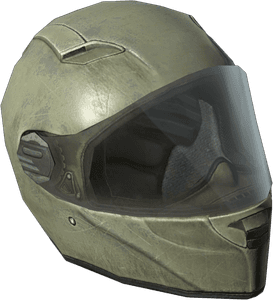
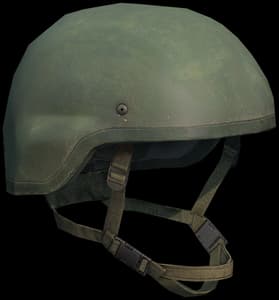
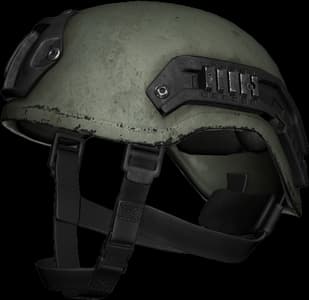
The Motorbike Helmet is a strong early find for infected and melee protection. Ballistic and Tactical Helmets provide much stronger projectile protection. The Tactical Helmet also supports useful attachments.
Vest protection
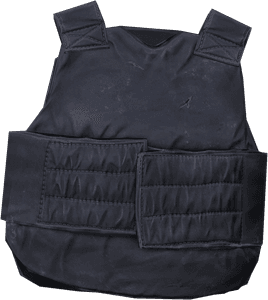
Storage vests improve inventory and quick slots. Armor vests reduce incoming damage. Pick the category deliberately instead of assuming every tactical-looking vest is protective.
| Vest | Primary role | Projectile protection | Storage | Main tradeoff |
|---|---|---|---|---|
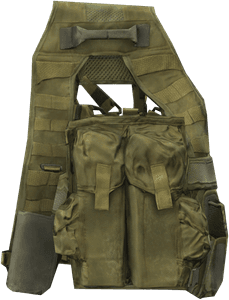 Assault Vest Assault Vest | Modular storage | None | 16 slots plus Buttpack | Worst insulation |
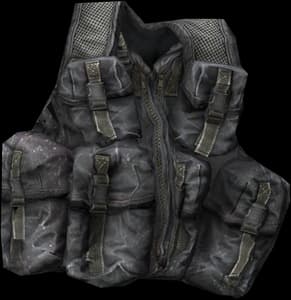 Field Vest Field Vest | Storage and utility | None | 20 slots | Can become soaked |
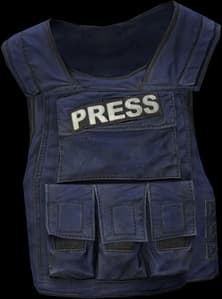 Ballistic Vest Ballistic Vest | Early and mid armor | Strong | 16 slots | Heavy at 7 kg |
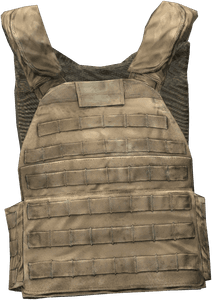 Plate Carrier Plate Carrier | High-end armor | Very strong | Attachments only | Very heavy at 12 kg |
Keep helmets and armor repaired. Once an item is ruined, it should not be trusted to provide useful protection. The hit that ruins an item can also expose you to much more damage.
Each slot solves a different problem. Start with the biggest survival risks, then use the remaining slots for storage, utility, camouflage, and style.
Head and face
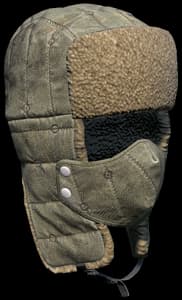
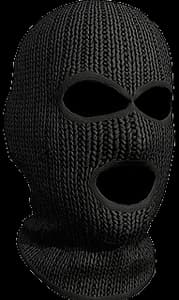
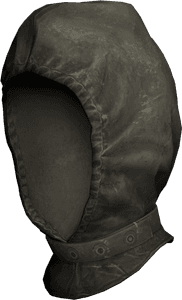
Headgear can provide warmth or armor, while masks can reduce face visibility and support contaminated-zone protection. Check whether a helmet blocks another head or face item before planning the outfit.
Top and legs
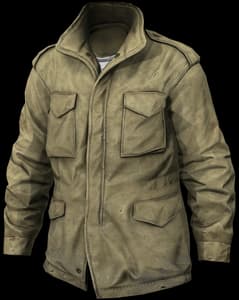
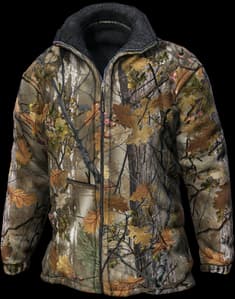
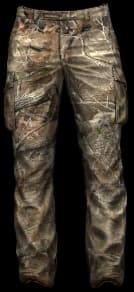
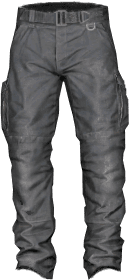
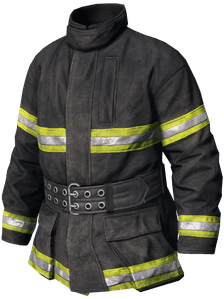
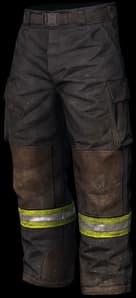
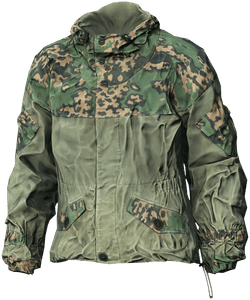
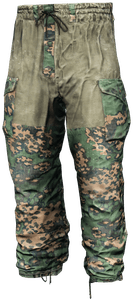
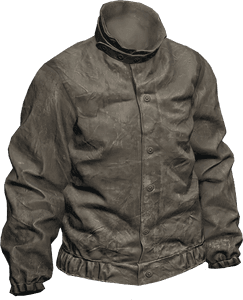
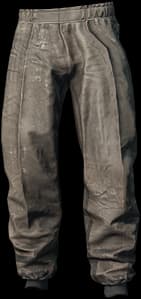
Jackets and pants usually provide the largest combination of warmth and inventory space. Variant matters, especially for Hunter and Patrol clothing.
Hands and feet
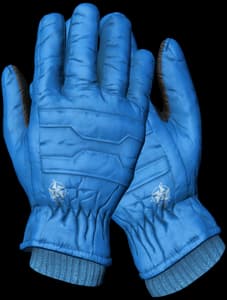
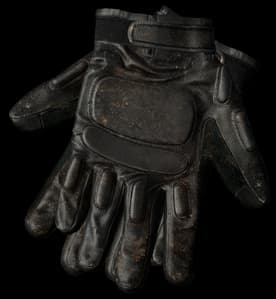
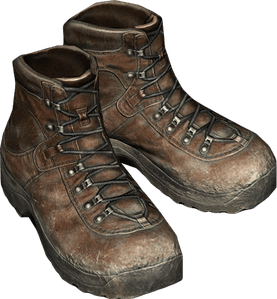
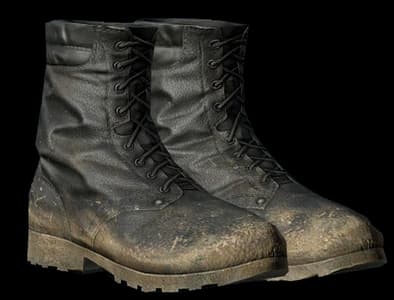
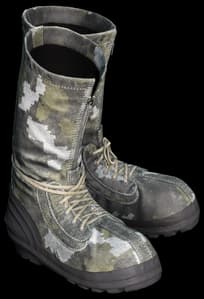
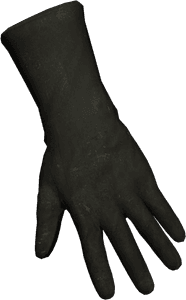
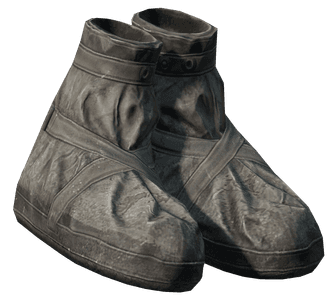
Gloves protect hands during survival tasks, while footwear keeps your feet from being cut. Boots also differ in insulation, durability, and movement noise.
Back and belt
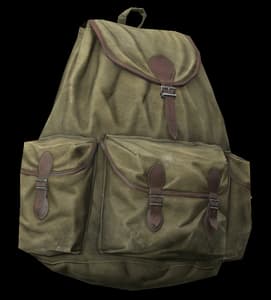
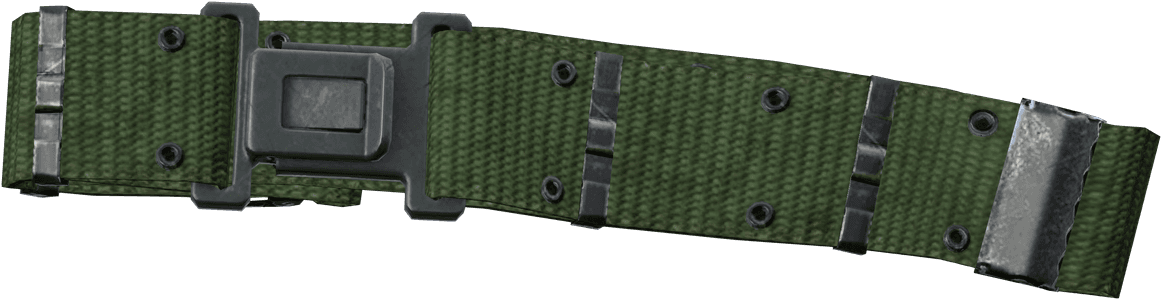
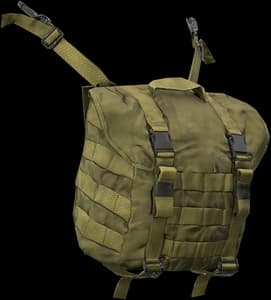
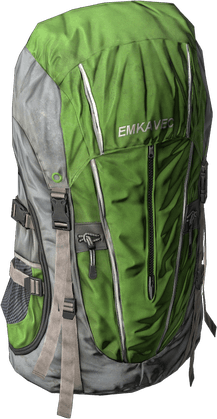
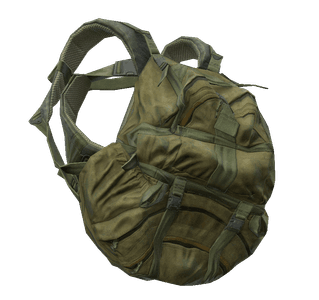
Backpacks add the most storage, but size and color change how visible you are. Belts and external attachments can carry key tools without consuming normal inventory space.
A highly insulated item is strongest when dry. A lower-absorbency item may perform better during long exposure to rain, snow, or water.
Best when kept dry
Focus on best-insulation items for the head, torso, legs, hands, and feet. Keep them pristine or worn, avoid unnecessary swimming, and protect your fire-starting supplies.
Strong in bad weather
Favor Damp-limited gear, waterproof storage, and durable repairable layers. The goal is to retain useful warmth without spending the entire trip drying clothes.
These sample setups show how priorities change. Use them as templates, then adapt around the items you actually find.
Fresh spawn and early game
PvP and high-risk looting
Stealth and reconnaissance
Cold-map survival
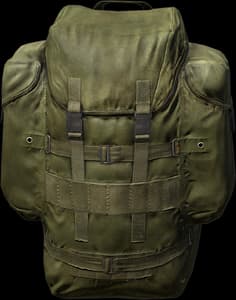
Capacity is only one factor. Compare silhouette, color, wetness, inventory shape, attachments, and how much the pack blocks your view.
Two backpacks can have similar capacity but different grid dimensions. Check the actual inventory shape before expecting a long weapon, tent, or large tool to fit inside. External attachment slots may be more useful than a small increase in raw capacity.
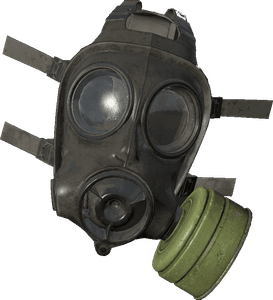
Chemical protection is not a normal clothing ranking. Every body slot and the respiratory system must be covered before entering a contaminated area.
Full body coverage
Equip all five clothing pieces, then add respiratory protection. Keep repair materials nearby because damaged NBC equipment can end the trip early.
Respiratory protection
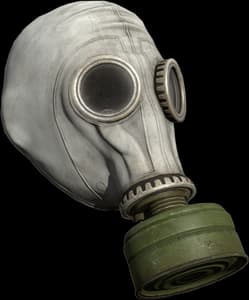
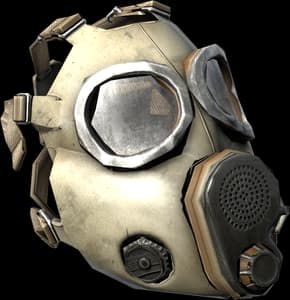
Standard respirators and gas masks need a compatible working filter. The Combat Gas Mask uses an integrated filter. Check remaining filter life before entering the zone.
Do not enter with one missing or ruined piece. NBC clothing uses specialized repair options, so verify every item before leaving a safe area.
Repairing gear preserves warmth, storage, protection, and footwear safety. Carry the tool that fits your current loadout instead of hauling every repair item.
Cloth clothing
Many jackets, pants, hats, gloves, backpacks, and cloth accessories can be repaired with a Sewing Kit or Duct Tape.
Leather and heavy gear
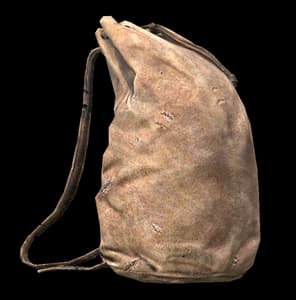
Leather boots, leather backpacks, many vests, holsters, and other heavy items use the Leather Sewing Kit.
Helmets and armor
Epoxy Putty repairs many helmets and protective armor pieces. Some armor can also use a Leather Sewing Kit.
Rubber and NBC
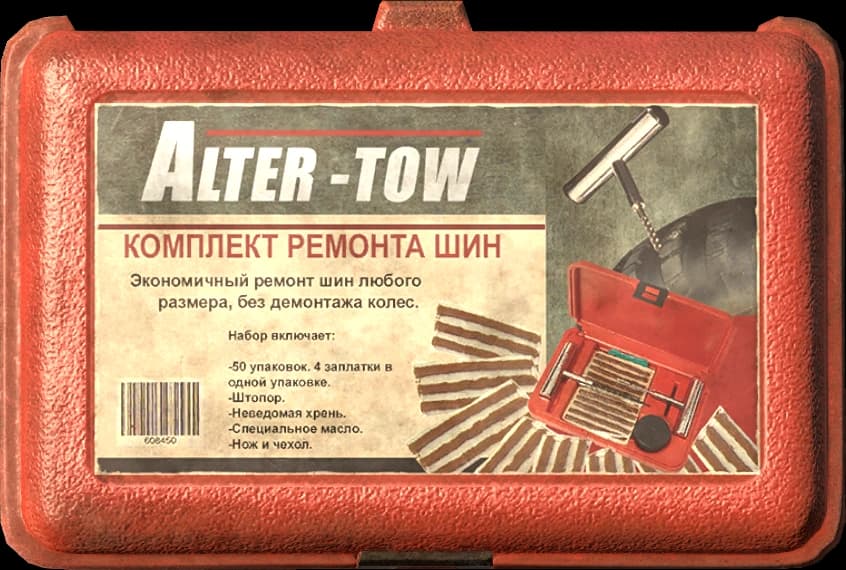
Some NBC clothing, rubberized gear, and waterproof storage can use a Tire Repair Kit. Check the individual item before spending a charge.
Metal armor
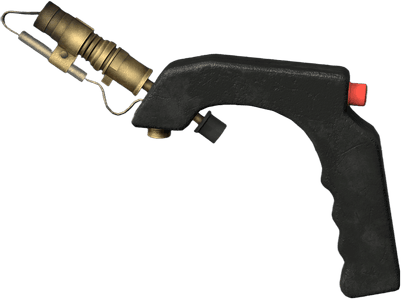
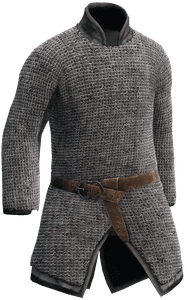
Metal armor such as the Chestplate uses a Blowtorch rather than a normal clothing repair kit.
Repair strategy
Most clothing problems come from using one stat as the entire decision. Check the full role of the item before swapping gear.
A larger jacket or backpack is not automatically better when it makes you colder, heavier, louder, or easier to spot.
A damaged high-tier item can perform much worse than a repaired mid-tier alternative. Repair important layers early.
Wring out compatible clothing, dry near a fire, or temporarily swap to a dry layer when wet gear is pulling your temperature down.
Field, Assault, Hunter, and Tactical Vests focus on storage. Ballistic protection comes from specific armor items.
Large packs increase silhouette and can block your rear view. Reserve maximum-capacity bags for hauling and base work.
Contaminated zones require complete body coverage plus respiratory protection. One missing slot can ruin the entire plan.
Ruined shoes can lead to foot cuts. Keep a repair option or replace worn footwear before a long trip.
Armbands help teammates recognize one another, but bright colors can also reveal the group to distant players.
These videos provide testing, mechanical explanations, and player-focused comparisons. Exact item values should still be checked against current data.
RavPlays
A detailed look at helmets, vests, jackets, pants, gloves, footwear, damage types, and armor tradeoffs.
Camo
A broad opinion-based comparison that highlights practical storage, insulation, visibility, and everyday usefulness.
UncuepaDayZ
Compares backpack capacity, profile, color, waterproofing, attachment slots, item fit, and view obstruction.
WOBO
Explains insulation, condition, moisture, body-slot contribution, cold-weather gear, and wet-weather gear.
Use these answers as a fast checklist, then open the linked item pages for exact stats, variants, repair tools, and locations.
There is no single best outfit. Cold-weather clothing, armor, waterproof gear, stealth clothing, NBC equipment, and high-capacity storage all solve different problems.
Effective warmth comes from the item's base insulation, its condition, and its moisture level. Dry pristine gear performs much better than damaged wet gear.
Sometimes. Wring out compatible items and dry them when possible. Severely wet clothing can provide so little warmth that a dry replacement or temporary removal is better.
Not all of them. Storage vests such as the Assault Vest, Field Vest, Hunter Vest, and Tactical Vest do not provide meaningful projectile protection. Check the item's protection stats.
A Stab Vest or Ballistic Vest is a strong early upgrade when protection matters. A Plate Carrier offers stronger protection later, but it is much heavier.
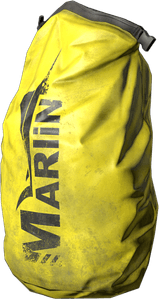
The Hunter Backpack is a strong balanced choice. Drybag Backpacks help in wet conditions, Combat and Tactical Backpacks offer high capacity, and the Field Backpack is best reserved for hauling.
Sewing Kits and Duct Tape repair many cloth items. Leather Sewing Kits repair leather and heavy gear. Epoxy Putty repairs helmets and armor, Tire Repair Kits repair some rubber and NBC items, and Blowtorches repair metal armor.
Use a complete NBC set covering the head, torso, legs, hands, and feet, plus a compatible respirator or gas mask with a working filter unless the mask has an integrated filter.
Use the item database for exact item pages and the related guides for repairs, health, contaminated zones, survival, and looting.
Primary reference
Review the clothing category, item tables, insulation labels, maximum wetness, repair methods, capacity, protection values, variants, and loot locations.
Open Clothing WikiClothing summary
Start with temperature and footwear, add protection for the threats you expect, keep storage under control, choose colors that fit the environment, and carry the correct repair tool. Dry, repaired, purpose-built gear is more valuable than a random collection of high-tier items.