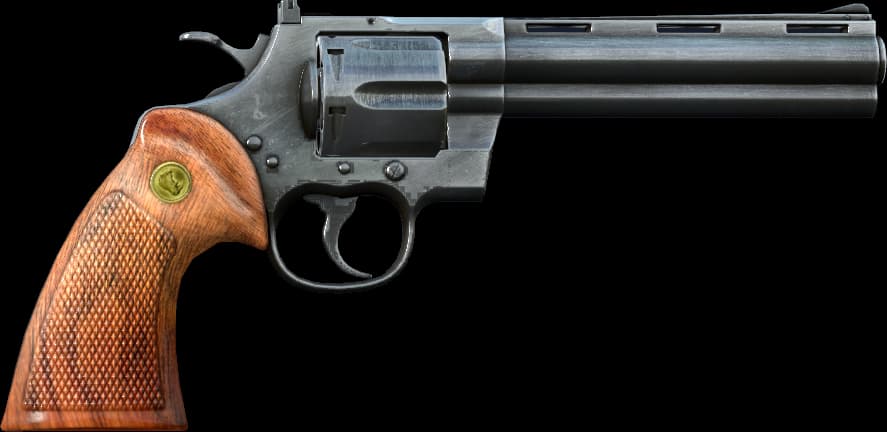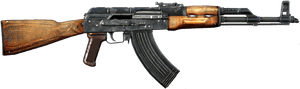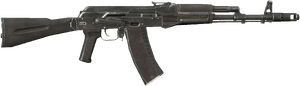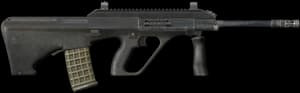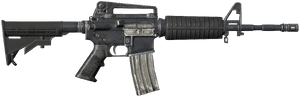


Firearms, melee, ammo and attachments

DayZ Weapons Guide

Learn how to choose a weapon by role, read the firearm HUD, reload and clear malfunctions, compare ammunition, build useful attachments, and select melee weapons for damage, shock, stamina, and utility.

Practical loadout logic

Complete beats rare

A working firearm, compatible ammunition, a maintained feeding system, and a quiet backup usually provide more value than a rare weapon that cannot be loaded or repaired.

Choose before ranking

What makes a weapon useful?

The best choice is not always the firearm with the highest theoretical damage. A usable weapon matches the current fight, ammunition supply, condition, handling needs, and risk of revealing your position.

Combat role

Choose for the fight you expect: infected clearing, rooms, general travel, long range, hunting, or raiding.

Ammunition access

A powerful gun without matching rounds or magazines is usually less useful than a complete, familiar setup.

Reliability

Weapon and magazine condition matter. Damaged feeding components increase the risk of a malfunction.

Handling

Barrel length, recoil, sights, weight, and obstructions change how easily a weapon works inside buildings.

Sound

Gunshots reveal activity. Integral suppression, suppressors, subsonic ammunition, bows, and melee reduce risk.

Maintenance

Plan for cleaning kits, suppressor wear, magazine condition, replacement parts, and the cost of carrying spares.

Community rankings are a starting point, not permanent truth

The videos below provide useful reasoning, but balance updates can change recoil, damage, melee values, sounds, and availability. The linked item database should be used for the current numbers on each weapon, ammunition type, and attachment.

Core mechanics

How firearms work in DayZ

Learn the controls and checks that prevent avoidable deaths before comparing individual guns.

Mechanic 01

Read the weapon HUD

Check condition, chamber status, ammunition count, fire mode, and zeroing before the fight begins.

A chambered round sits outside the magazine count. Confirm the weapon is loaded after clearing a malfunction or changing magazines.
Mechanic 02

Reload the correct way

Hold reload to swap to an available magazine or load compatible loose ammunition when the weapon supports it.

Weapons with internal magazines are loaded one round at a time. Bolt-action rifles also need the action cycled between shots.

Mechanic 03

Clear malfunctions

When the weapon jams, hold reload until the clearing animation completes, then confirm a new round is chambered.

Do not assume pristine condition guarantees perfect reliability. Keep the firearm and every detachable magazine maintained.

Mechanic 04

Match aim style to distance

Raised hip fire preserves awareness at close range. Aiming through sights becomes more important as distance increases.

Practice both. Staying mobile and seeing the target can matter more than magnification in a doorway or narrow room.

Mechanic 05

Use zeroing and range tools

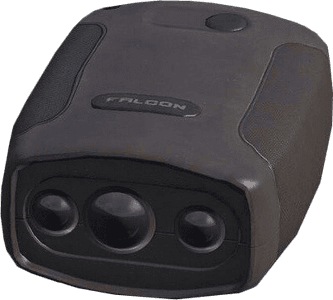
Estimate distance with terrain knowledge, scope markings, or a Rangefinder, then set the weapon zero when supported.

Remember to return the zero to a practical distance after a long shot. A forgotten setting can send later shots high or low.

Mechanic 06

Control attachment weight

Optics, lights, suppressors, handguards, and stocks add capability, but they can also add weight and obstruct the sight picture.

Build for a specific role. A simple rifle that raises quickly can be better than an overloaded weapon in close combat.

Feeding systems

Detachable magazines

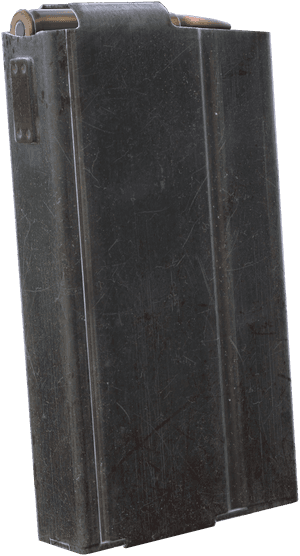
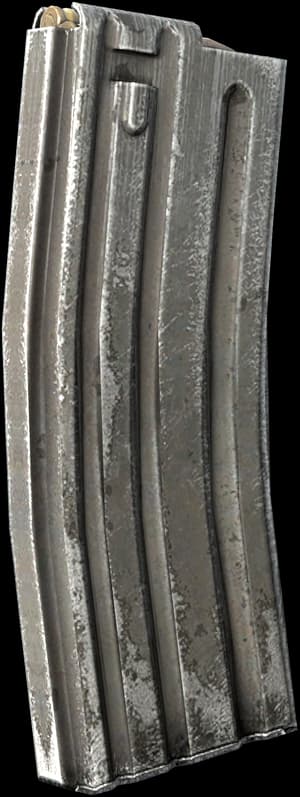
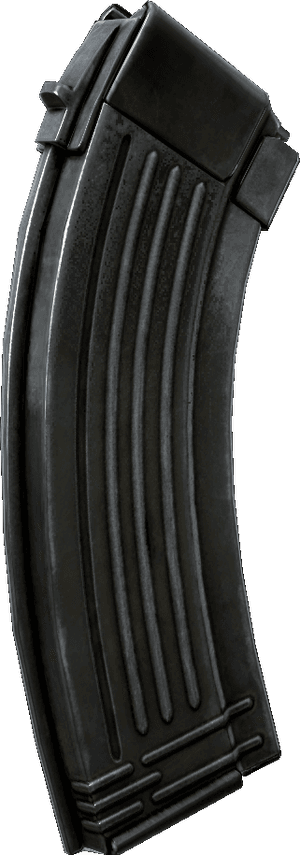
Detachable magazines support fast reloads, but every magazine has its own condition and compatibility. Load, inspect, and repair them before combat.

Built into the weapon

Internal magazines

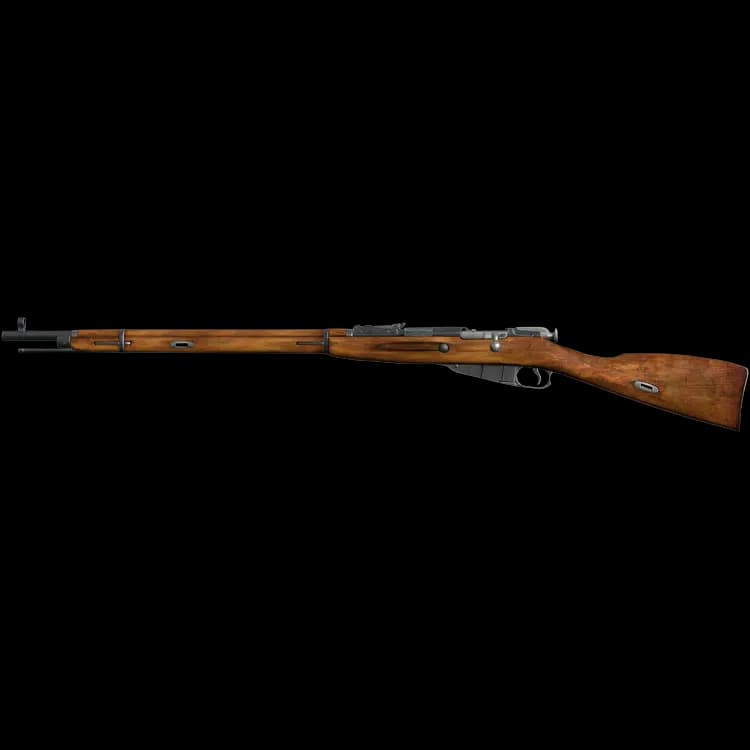
Weapons such as the SK 59/66, Mosin 91/30, and M70 Tundra can be loaded directly with loose rounds. This reduces magazine dependency but makes full reloads slower.

Reliability

Cleaning and repairs

Use a Gun Cleaning Kit on compatible firearms, magazines, and suppressors. Repair before the item reaches ruined condition.

Practical recommendations

Choose firearms by role

These groups are more useful than one giant tier list because they explain why a weapon belongs in a loadout and what tradeoffs come with it.

Quiet utility

Infected Clearing

Use quiet weapons when the goal is saving ammunition, avoiding a crowd, and keeping nearby survivors uncertain about your position.

  • Aim for controlled headshots instead of rapid fire.
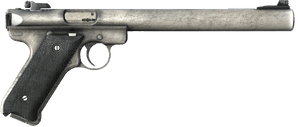
  • The MK II uses common .22 LR and has integral suppression.
  • Crossbow bolts can be crafted and sometimes recovered.

Quick access

Sidearms

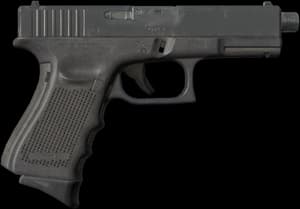
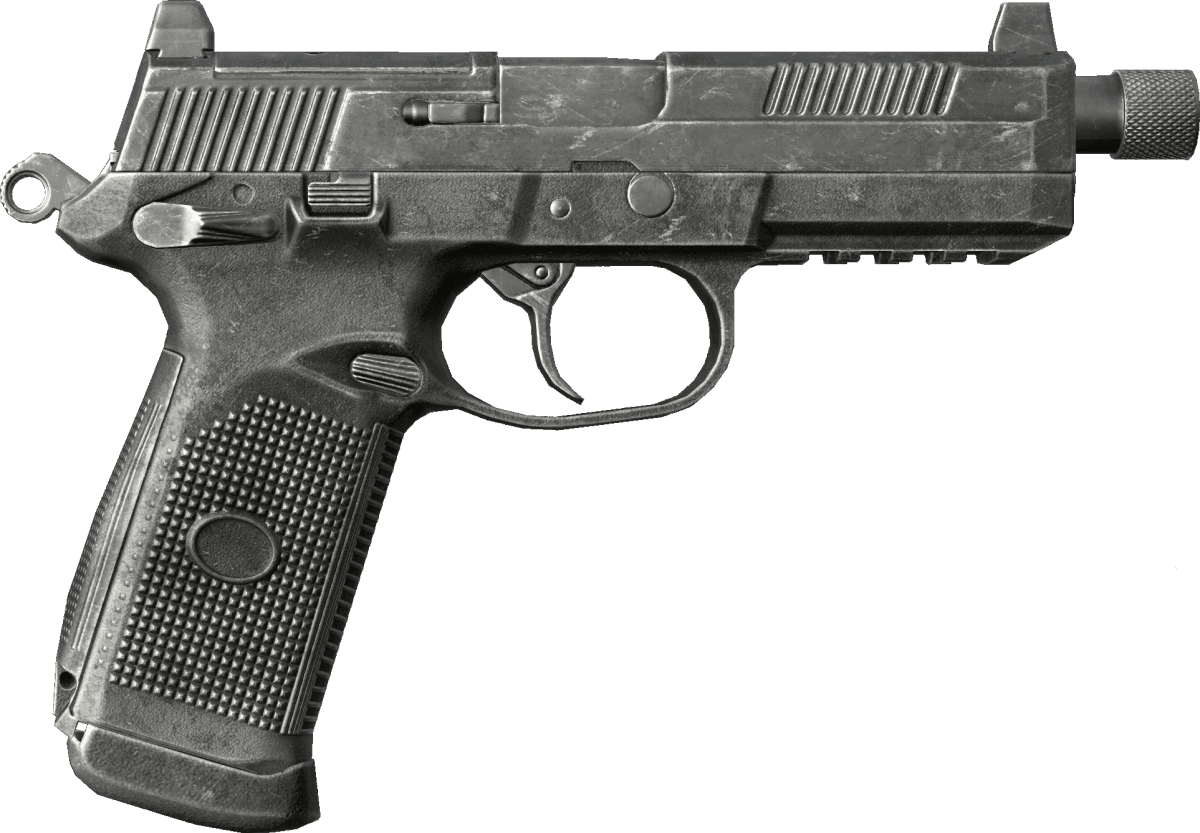
A sidearm is insurance when the primary is empty, obstructed, too slow to raise, or unavailable during an infected emergency.

  • Carry a loaded magazine or loose rounds that match the weapon.
  • Choose reliability and ammunition access over appearance.
  • A pistol suppressor is another item that needs maintenance.

Rooms and alleys

Close Quarters

Shotguns and compact automatic weapons excel when the opponent is close and the time available for follow-up shots is short.

  • Shorter weapons are less likely to obstruct against walls.
  • Buckshot rewards close distance and accurate pellet placement.
  • Full-auto fire can empty magazines faster than expected.

One weapon solution

General Purpose Rifles

These weapons cover common close-to-medium encounters and remain practical while moving between towns, forests, and military areas.

  • The SK 59/66 avoids detachable-magazine dependency.
  • Match the rifle to ammunition and magazines you can sustain.
  • Practice recoil before trusting automatic fire at distance.

Distance and patience

Long Range

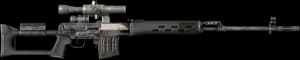
Civilian hunting rifles can remain effective throughout a life, while rare marksman rifles provide faster follow-up shots and optic flexibility.

  • Use a Rangefinder or optic markings to estimate distance.
  • Long barrels become awkward in rooms and near cover.
  • Remember the current zero after every ranged engagement.

Reduced signature

Suppressed and Specialized

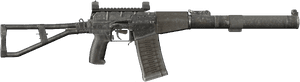
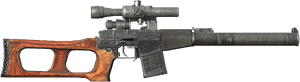
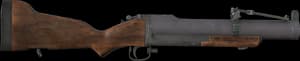
Integral suppression and specialized ammunition support stealth, while the M79 fills a utility and explosive role rather than replacing a normal rifle.

  • 9x39mm is subsonic but performs best inside shorter ranges.
  • Suppressors reduce sound, not all evidence of a shot.
  • The M79 depends entirely on the grenade type loaded.
Caliber and purpose

Ammunition guide

Caliber determines more than inventory labels. Consider compatible weapons, typical role, sound behavior, availability, armor performance, and effective distance.

Pistols and quiet utility

Small calibers

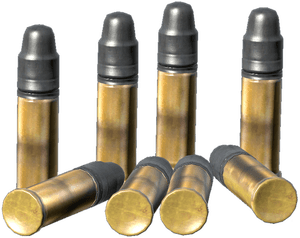
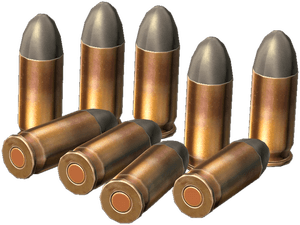
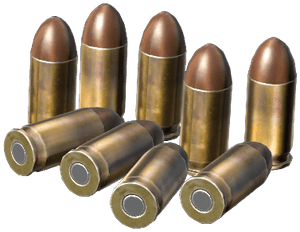
.22 LR is ideal for the MK II and small-target utility. 9x19mm is a common pistol and SMG caliber. .45 ACP is subsonic and pairs well with suppressed close-range weapons.

Close-range burst damage

Shotgun ammunition

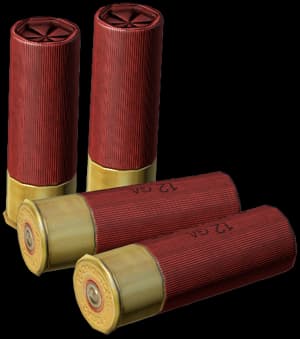
Buckshot is built for close engagements where multiple pellets can connect. Distance, spread, aim, armor, and the number of pellets that land all influence the result.

Assault and general use

Intermediate rifle rounds

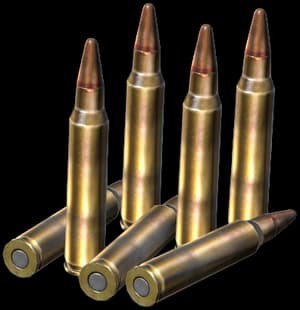
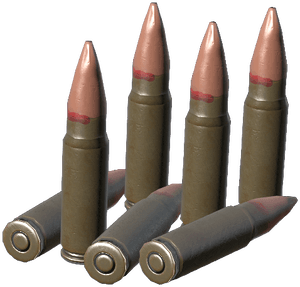
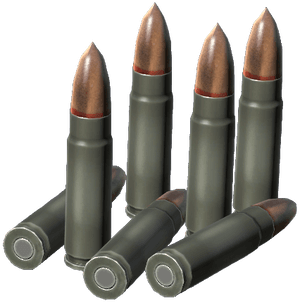
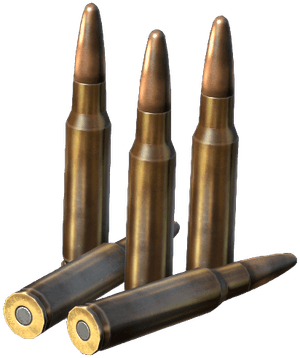
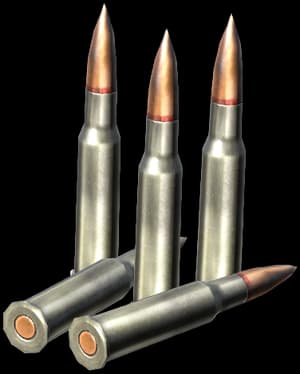
5.56x45mm and 7.62x39mm support many versatile rifles. The most useful choice is the round that matches a maintained gun and magazines you can replace consistently.

Long-range power

Full-power rifle rounds

.308 WIN and 7.62x54mmR feed powerful hunting and marksman weapons. The firearm, barrel, range, target protection, and shot placement all affect the final result.

Specialized subsonic ammunition

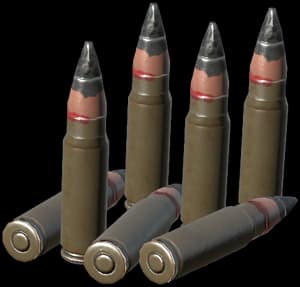
9x39mm and armor-piercing 9x39mm

Standard 9x39mm supports stealth-focused VSS and SVAL use. The armor-piercing variant improves performance against protected targets, but both remain specialized and rare.

Build for a role

Magazines, optics and suppressors

Attachments should solve a specific problem. Add capacity, improve the sight picture, reduce sound, or tune handling, but avoid adding parts only because a slot is empty.

Capacity and compatibility

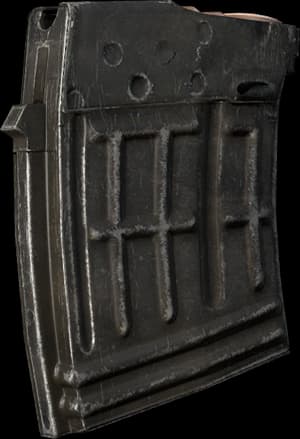
Magazines

Magazine names can look similar while fitting different weapon families. Confirm compatibility before carrying several heavy loaded magazines.
Sight picture and range

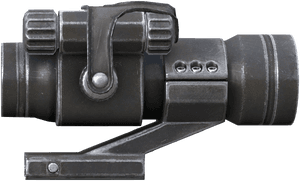
Optics

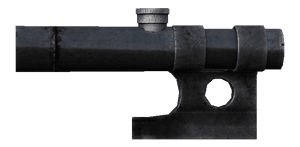
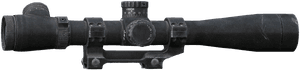
Select magnification for the weapon role. Large scopes help identify and engage distant targets but can be slow or obstructive inside a building.

Sound reduction

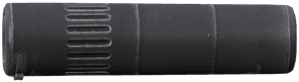
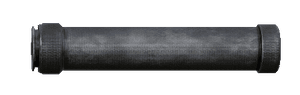
Suppressors

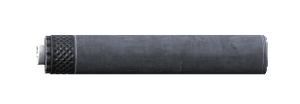
Use the correct suppressor family and keep it repaired. Suppressors reduce weapon sound, while ammunition speed and bullet impacts can still reveal the shot.

Close combat and utility

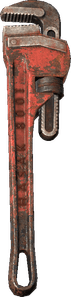
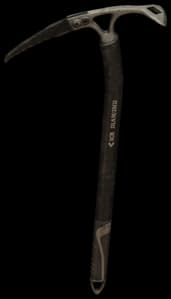
Melee weapon guide

Melee rankings change depending on whether the goal is health damage, shock, stamina efficiency, bleed pressure, infected control, or survival utility.

Health damage

How quickly attacks reduce the target's health.

Shock damage

How quickly attacks can knock a player unconscious.

Attack speed

How quickly a follow-up hit can land before recovery or blocking.

Utility and durability

Whether the item also cuts, skins, builds, farms, digs, or opens cans.

Fast aggressive pressure

Knives and bayonets

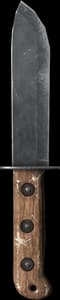
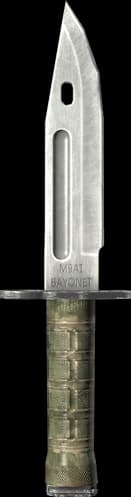
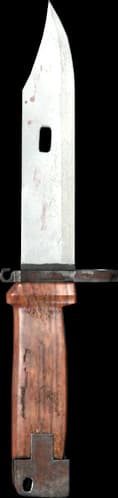
Fast blades can deliver repeated health damage and bleeds while also serving as compact survival tools. Their drawback is maintenance and limited reach compared with larger weapons.

Heavy timed attacks

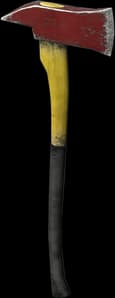
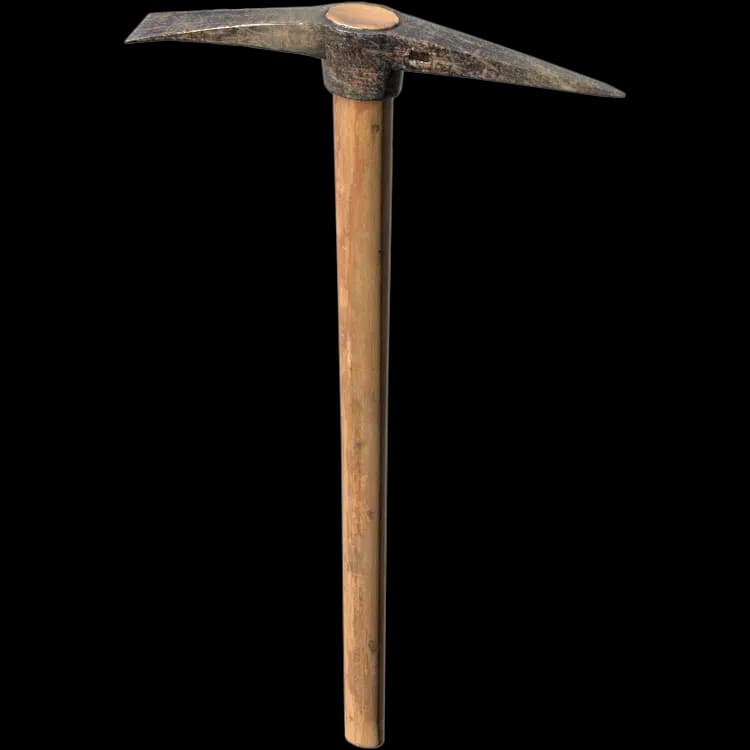
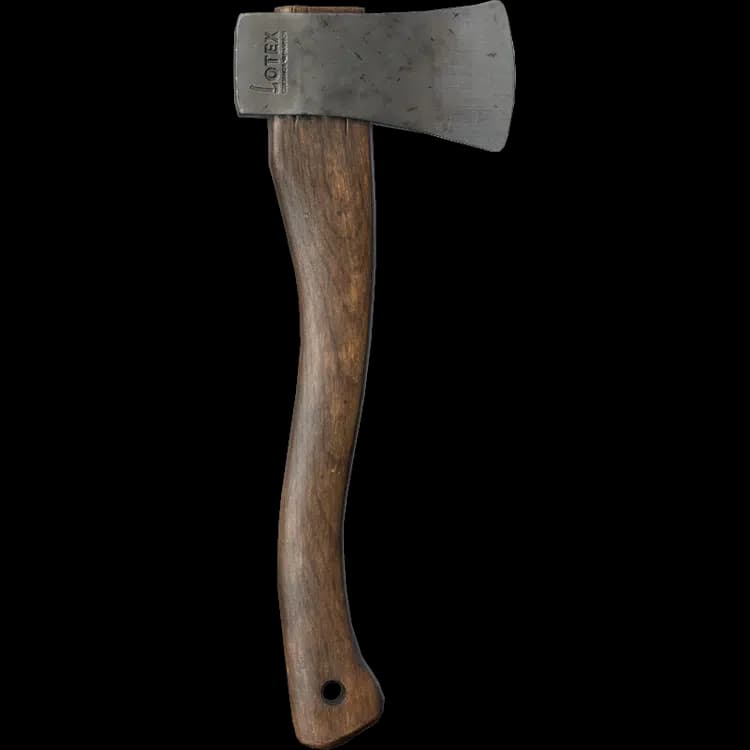
Axes and large tools

Heavy weapons reward timing and stamina management. They can hit hard, but slow recovery creates openings when an attack misses or is blocked.

Unconsciousness pressure

Shock-focused weapons

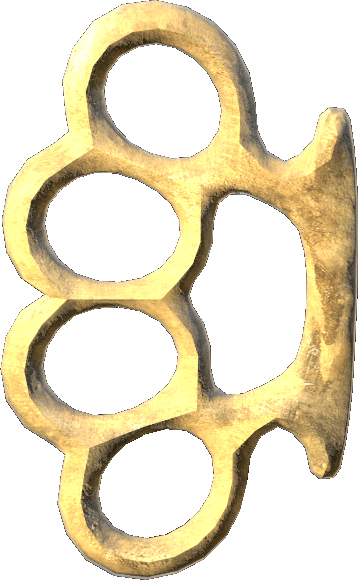
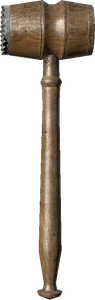
Blunt weapons can win by shock rather than direct health damage. Keep pressure on the opponent because shock begins recovering after a pause.

Combat plus survival

Utility weapons

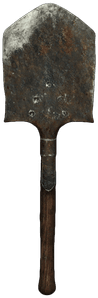
A weapon that also digs, farms, builds, skins, or opens cans can be more valuable than a dedicated combat item during long survival runs.

Use the current item pages for exact melee values

Melee balance can change between updates. Compare normal damage, heavy damage, shock, bleed chance, attack range, repair method, and utility on the linked database pages rather than relying only on an older statistical ranking.

Build around the journey

Example weapon loadouts

These are role templates, not mandatory kits. Replace any item with the closest complete option supported by your current ammunition and repair supply.

Coast and early towns

Fresh survivor

  • Use a quiet melee weapon for routine infected.
  • Keep the first loaded pistol with matching ammunition.
  • Do not carry several empty firearms only because they may be useful later.

Flexible travel

General survivor

  • Carry one primary that works from close to medium range.
  • Add a quiet infected weapon to preserve primary ammunition.
  • Keep a cleaning kit and at least one reliable reload.

Hunting and overwatch

Long-range survivor

  • Pair a full-power rifle with a close-range sidearm.
  • Carry a Rangefinder or learn the chosen optic markings.
  • Avoid entering tight buildings with a long rifle already aimed through magnification.

High-risk combat

Late-game PvP

  • Use a familiar automatic rifle with maintained magazines.
  • Carry a long-range option only when it adds a distinct role.
  • Balance ammunition and armor against stamina and weapon handling.
Avoid preventable losses

Common weapon mistakes

Most weapon failures come from compatibility, condition, poor preparation, or using the wrong handling style for the distance.

Keeping the gun without its ecosystem

Before replacing a working weapon, confirm that you have compatible ammunition, magazines, optics, and repair options for the new one.

Ignoring magazine condition

A cleaned firearm can still malfunction when the detachable magazine is damaged. Inspect and repair both components.

Forgetting the chamber

After clearing a jam, cycling a bolt, or manipulating loose ammunition, verify that a round is actually chambered.

Aiming down sights in every room

Magnified optics and long weapons can hide nearby movement. Raised hip fire is often easier to track at very close range.

Carrying too many overlapping guns

Several half-complete firearms drain stamina and inventory. A prepared primary, sidearm, and utility weapon are usually enough.

Using loud shots for routine infected

Save full-power ammunition and avoid broadcasting your position when melee, a Crossbow, or an MK II can handle the threat.

Treating every attachment as an upgrade

Attachments can add weight, slow handling, narrow vision, and create another part that needs maintenance.

Relying on an old tier list

Balance changes and server settings can alter results. Use rankings as context, then verify current item data and practice the recoil yourself.

Video references

Learn the mechanics in action

These videos helped shape the practical explanations on this page. Their rankings are opinions and may predate later balance changes.
Quick answers

DayZ weapons FAQ

Common questions about beginner weapons, malfunctions, magazines, aiming, melee, repairs, suppressors, and server differences.
What is the best beginner gun in DayZ?

There is no universal answer, but the MK II is excellent for learning quiet infected clearing while the SK 59/66 is a strong general-purpose rifle when you find compatible ammunition.
How do you clear a weapon jam in DayZ?

Use the reload action until the malfunction-clearing animation completes, then confirm that the weapon has chambered another round.

Do damaged magazines cause jams?

Magazine condition contributes to firearm reliability. Maintain detachable magazines as well as the weapon itself.

Should you hip fire or aim down sights?

Raised hip fire is useful in very close combat because it preserves awareness. Aim through sights when precision and distance matter more.

What is the best melee weapon in DayZ?

The answer depends on the goal. Fast knives and bayonets support aggressive damage, the Mace emphasizes shock, and tools such as the Field Shovel offer strong utility outside combat.

What repairs firearms in DayZ?

A Gun Cleaning Kit repairs many firearms, magazines, and suppressors. Some weapons or attachments use different repair items, so check the individual item page.

Are suppressors completely silent?

No. Suppressors reduce sound, but ammunition speed, impact noise, weapon type, distance, and suppressor condition still affect detection.

Do community servers use the same weapon balance?

Not always. Community servers can change loot availability, add weapons, alter stamina, and use custom damage or economy settings.

Reference and next steps

Continue your DayZ combat setup

Use the current weapons reference for category changes, then connect weapon selection to armor, repair supplies, crafting, and the full item database.

Weapons summary

Carry complete roles, not a pile of unfinished guns

Match every weapon to ammunition, magazines, range, maintenance, and the fight it is meant to solve. Keep a quiet answer for infected, inspect condition before combat, and choose melee by damage, shock, stamina, durability, and survival utility.