
DayZ Medical and Health Guide
Identify sickness by cause and symptoms, stabilize injuries, understand immunity, use medicine correctly, handle blood transfusions, and prepare for cold weather or contaminated zones.
Core rule
Stabilize first, diagnose second
Stop exposure and bleeding before searching for the perfect medicine. Surviving the next minute matters more than organizing the inventory.
10
Major conditions
4
Immunity inputs
8
Blood types
3
First emergency steps
What to do before choosing medicine
Most medical failures happen because the survivor treats an item or symptom while the original threat is still causing damage. Use this order every time.
Stop immediate damage
Leave gunfire, infected, toxic gas, deep water, and dangerous cold before opening your inventory. Treatment fails when the threat is still active.
Stop bleeding and stabilize
Bandage every active cut, avoid sprinting on a fracture, and keep a critically weak survivor still while blood and shock recover.
Treat the cause
Match medicine to the likely source: dirty water, raw food, an infected wound, cold exposure, toxic gas, or heavy-metal water.
Bleeding kit
Keep treatment ready
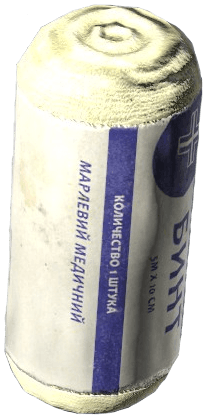
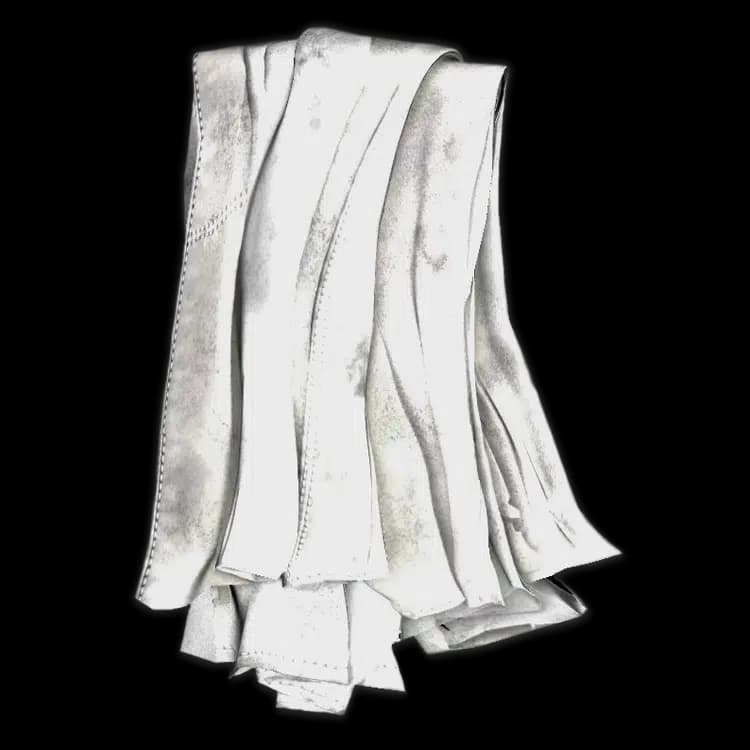
Put at least one Bandage or disinfected stack of Rags on the hotbar. Multiple cuts drain blood fast, and searching a backpack while bleeding can end an otherwise survivable fight.
Recovery checklist
Make the body recover
- Stop every active bleed before waiting for blood regeneration.
- Keep Energy and Water out of red so natural Blood recovery can continue.
- Avoid combat while the screen is gray or the shock vignette is heavy.
- Warm and dry the survivor when respiratory illness is progressing.
- Use small portions when vomiting is a risk.
- Move away from medical buildings after looting because they are predictable player routes.
Illnesses, causes, and treatments
Several diseases share vomiting, fever, pain, or blurred vision. The exposure that happened before the symptoms is often the fastest way to identify the correct treatment.
| Condition | Symptoms | Likely cause | Treatment | Prevention |
|---|---|---|---|---|
Wound Infection | Pain sounds, blurred pulses, fever, shaking, slower stamina recovery, then water and health loss as it advances. | A wound self-healed or was treated with a contaminated rag, bandana, or sewing item. | Disinfect the wound during the early stage. Advanced infection requires Tetracycline Pills and steady follow-up dosing. | Use disinfected wound-care items and stop bleeds quickly. |
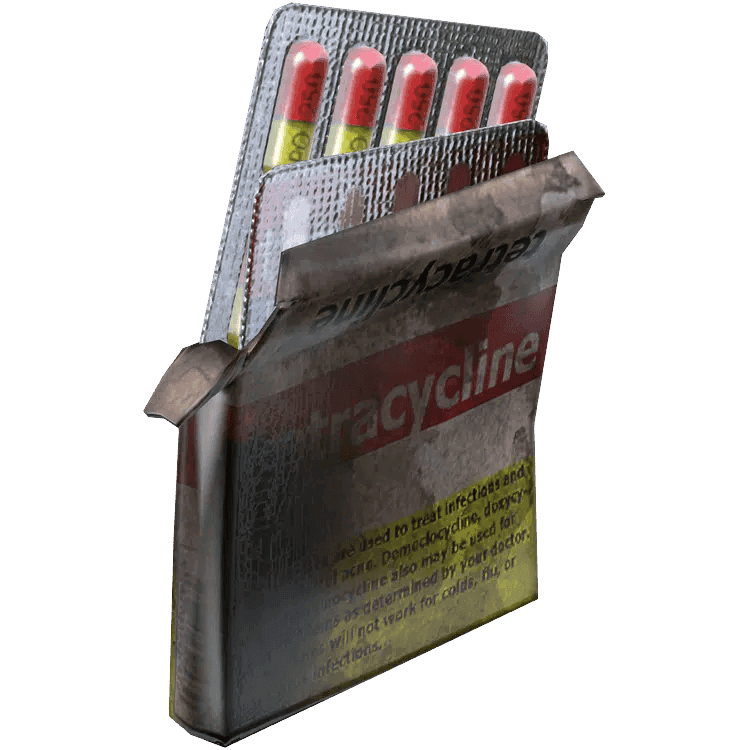
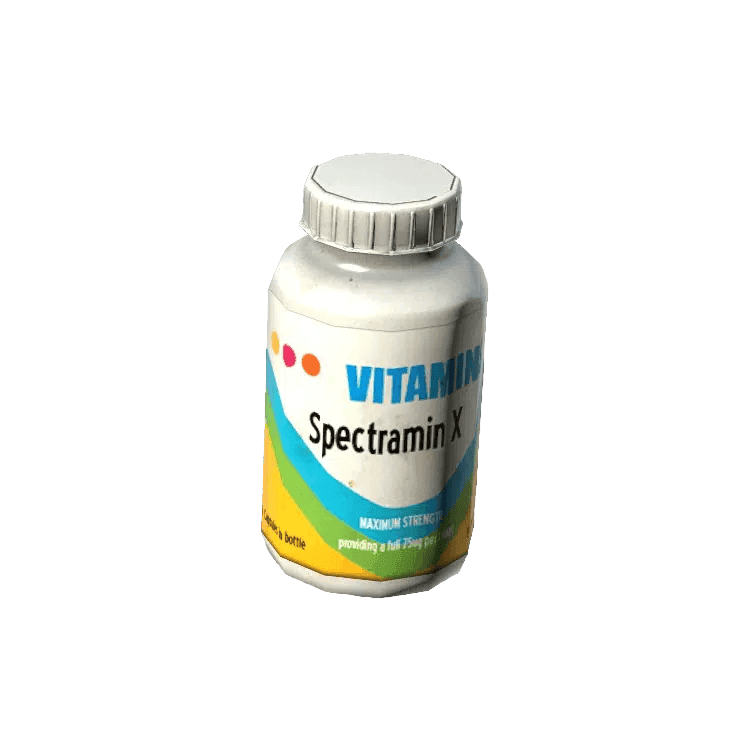
Cholera | Vomiting after larger drinks or meals, fever, dehydration, and fast water loss. | Untreated pond, stream, or contaminated container water. | Tetracycline Pills, Multivitamin Pills, high immunity, and very small portions while vomiting risk remains. | Use safe sources, empty found containers, or purify questionable water. |
Salmonellosis | Vomiting, pain sounds, hunger and water loss, and worsening health when unmanaged. | Raw animal food, eating with bloody hands, or contaminated food. | Charcoal Tablets or Multivitamin Pills, plus small controlled bites and sips. | Cook food and wash or cover bloody hands before eating. |
Poisoning | Vomiting, sickness, reduced stamina recovery, and loss of food or water. | Gasoline, rotten or burned food, and excessive risky unknown food. | Charcoal Tablets can help regular poisoning. Stop the exposure and manage intake carefully. | Inspect food condition and never drink from a container that may hold fuel. |
Common Cold | Sneezing and gradual sickness progression while cold. | Low temperature comfort, weak immunity, or exposure to an infected survivor. | Warmth, Multivitamin Pills, Tetracycline Pills, or sufficiently strong natural immunity. | Stay warm and dry, maintain core stats, and avoid sharing contaminated food or drink. |
Influenza | Coughing, sneezing, fever, blurred vision, and increased water use. | An untreated Common Cold that continued while the survivor stayed cold. | Stay neutral or warm and use Tetracycline Pills, Multivitamin Pills, or high immunity until it regresses. | Treat the Common Cold early and do not remain cold for long periods. |
Pneumonia | Gasping, expensive stamina actions, slow stamina recovery, and eventual health loss. | Influenza allowed to progress under continued cold exposure. | Tetracycline Pills, warmth, high food and water, restored blood and health, and Multivitamin Pills. | Stop the cold-to-flu progression before the respiratory stage becomes severe. |
Heavy Metal Poisoning | Shivering, blurred pulses, pain sounds, water loss, vomiting, and health loss in later stages. | Untreated snow or other heavy-metal contaminated water, mainly on Sakhal. | Chelating Tablets. Improve immunity for early stages and stop drinking the contaminated source. | Use a Filtering Bottle or active Chelating Tablets when handling risky water. Boiling does not remove heavy metals. |
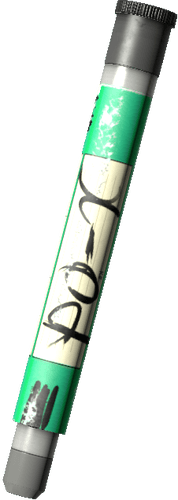
Gas Poisoning | Repeated cuts, coughing or vomiting blood, rapid blood loss, shock, and unconsciousness. | Exposure to contaminated zones without complete protection. | Exit the gas, stop bleeds, use PO-X Antidote, and use clean compatible blood for severe poisoning. | Wear full NBC coverage plus a working mask and filter. |
Brain Prion Disease | Uncontrollable laughter, tremors, and unstable aim. | Eating human meat or human fat. | No cure for the current survivor. | Never consume meat or fat when the source may be human. |
One sickness icon, many possible causes
The HUD does not name the disease. Remember what you drank, ate, bandaged with, and how cold you were. That recent history is usually more useful than guessing from one shared symptom.
Treat the source, not only the icon
These are the illness chains most likely to kill a new survivor because the wrong treatment appears to help for a moment while the underlying cause continues.
Water illness
Cholera after unsafe water
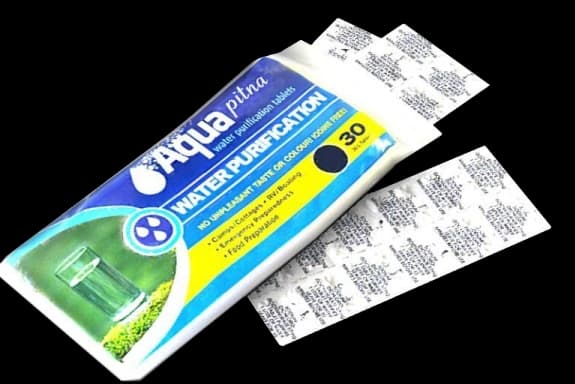
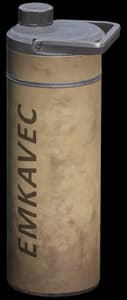
Dirty water is the strongest clue. Stop drinking from the source, take Tetracycline Pills or Multivitamin Pills, and consume tiny amounts until vomiting risk drops. A found bottle should be emptied before it is filled at a safe source unless you can purify it.
Food illness
Salmonellosis and regular poisoning
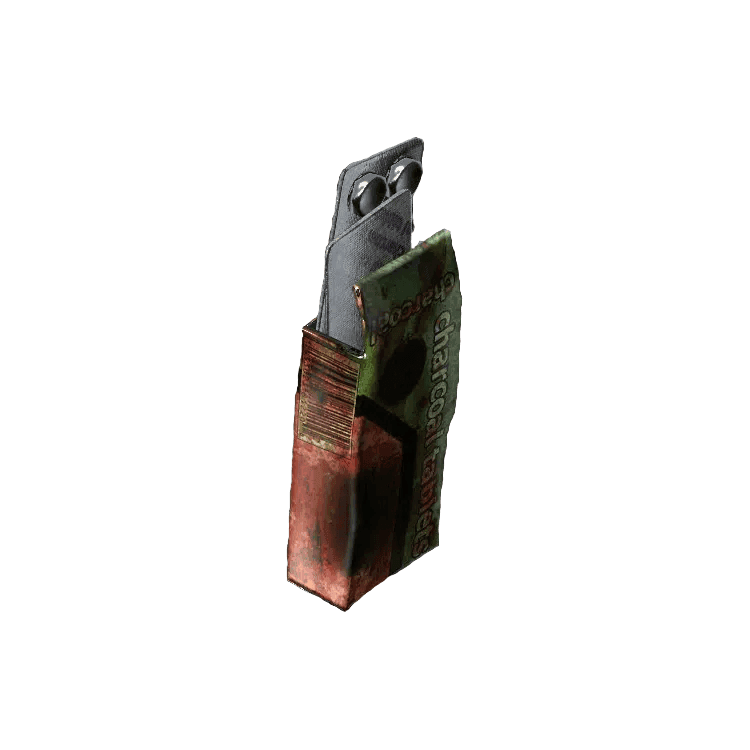
Raw meat or bloody hands point toward Salmonellosis. Gasoline, rotten food, burned food, or excessive unknown food points toward regular poisoning. Charcoal Tablets are the practical medical item for these food-related problems, while Multivitamin Pills can support immunity against Salmonellosis.
Respiratory progression
Cold to Influenza to Pneumonia
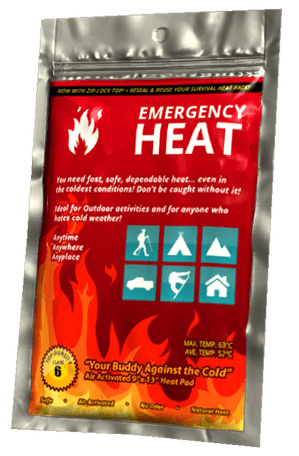
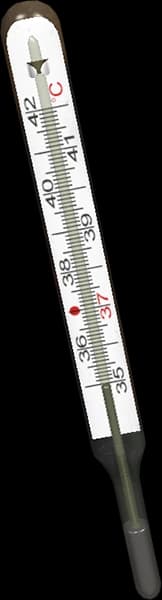
Sneezing begins the chain. Continued cold can add coughing and fever, then progress to Pneumonia with gasping, stamina penalties, and health loss. Warmth is part of the treatment, not just comfort. Codeine or Morphine may suppress some symptoms, but they do not remove the infection.
Wound stages
Disinfect early or use antibiotics later
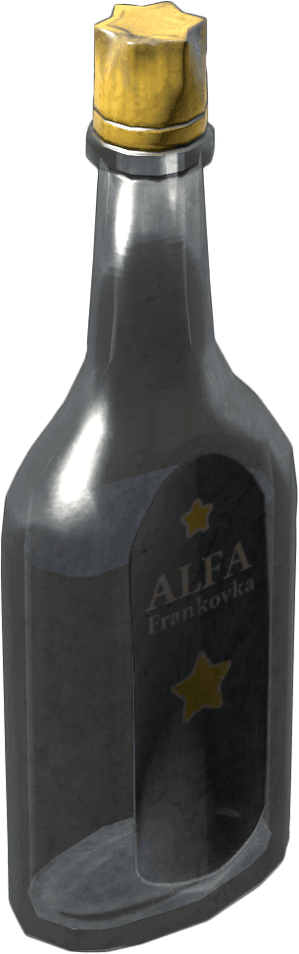
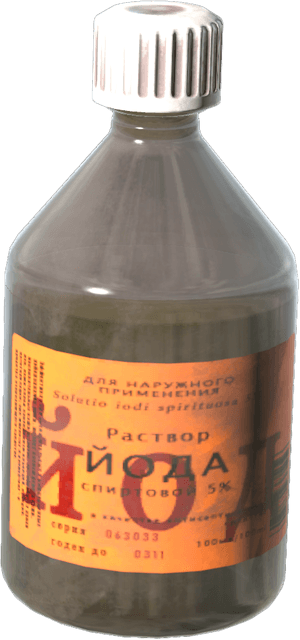
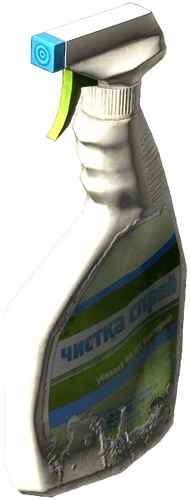
Early Wound Infection can be cleaned directly with Alcoholic Tincture, Iodine Tincture, or Disinfectant Spray. Once the disease advances and starts draining health, use Tetracycline Pills. Preventing infection is cheaper than treating it after supplies become limited.
Bleeding, fractures, unconsciousness, and low blood
Health, Blood, and Shock are separate systems. A survivor can have health remaining but still fall unconscious from shock or blood loss.
Bleeding and blood
Stop the leak before replacing blood
Blood regenerates naturally when the survivor is fed and hydrated, but it cannot keep pace with active cuts. Gray vision, repeated unconsciousness, and a heavy shock vignette mean the run should slow down immediately.
- Bandage all cuts before using saline or blood.
- Stay still and avoid fresh damage while shock recovers.
- Keep food and water high enough for natural blood regeneration.
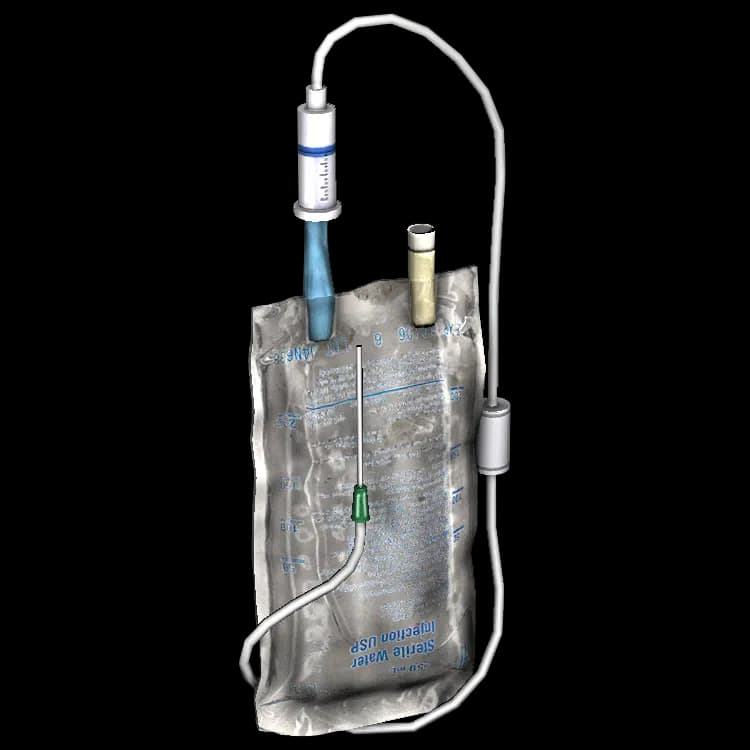
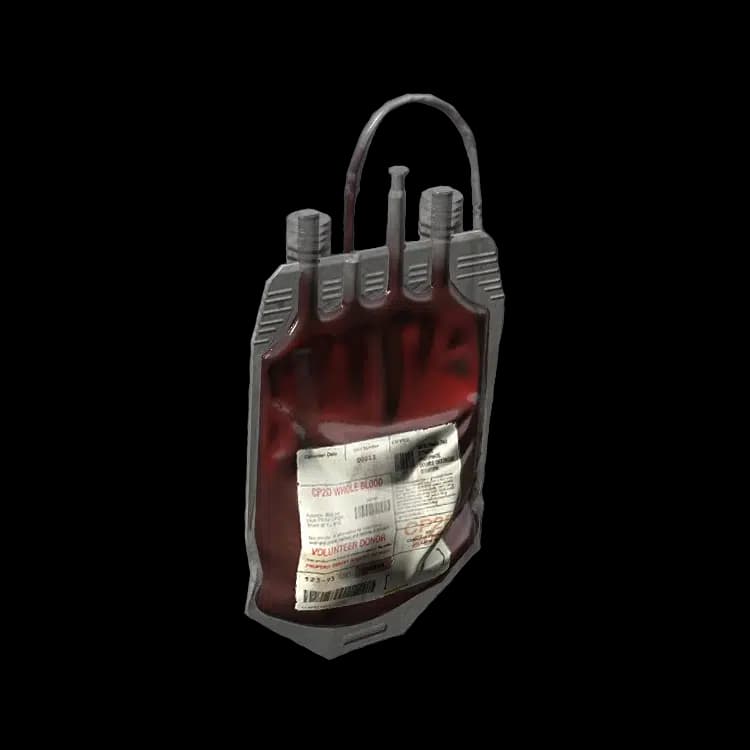
- Use IV Saline for supportive recovery and IV Blood for immediate compatible blood replacement.
Fractures
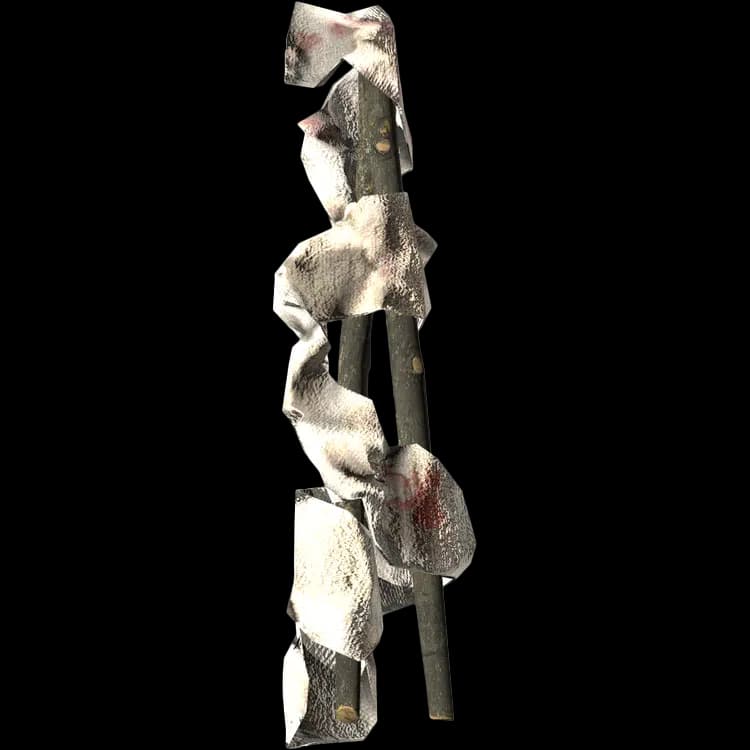
Slow down, apply a Splint
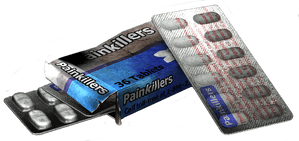
Sprinting or forcing movement on a broken leg creates shock and can knock the survivor unconscious. Crawl or slow-walk until a Splint is applied. Morphine and Codeine extend movement tolerance, but the fracture still needs time to heal.
Shock recovery
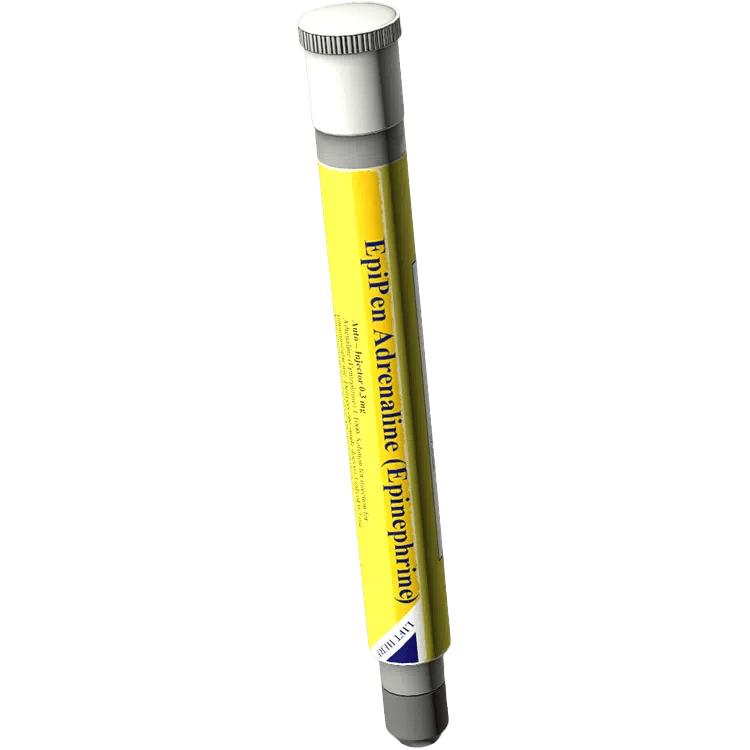
Epinephrine wakes, it does not heal
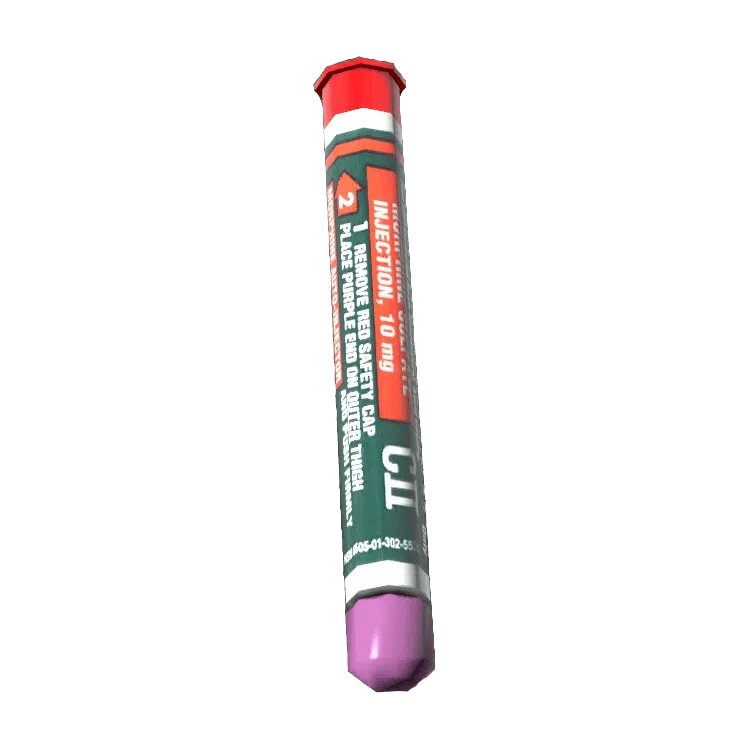
Epinephrine restores Shock and can wake an unconscious survivor. It does not replace lost Blood or Health, so the patient may collapse again when the underlying bleeding, low blood, or damage is still unresolved.
IV preparation
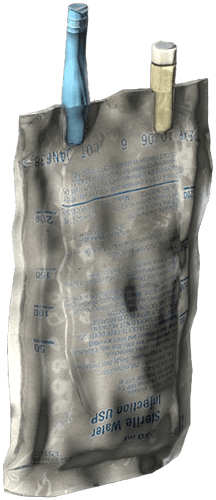
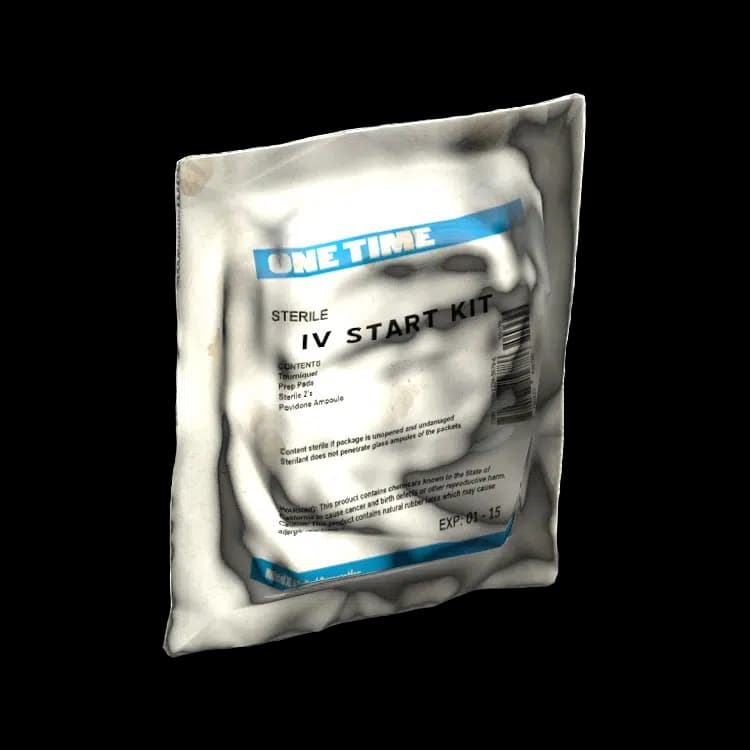
Combine the bag before use
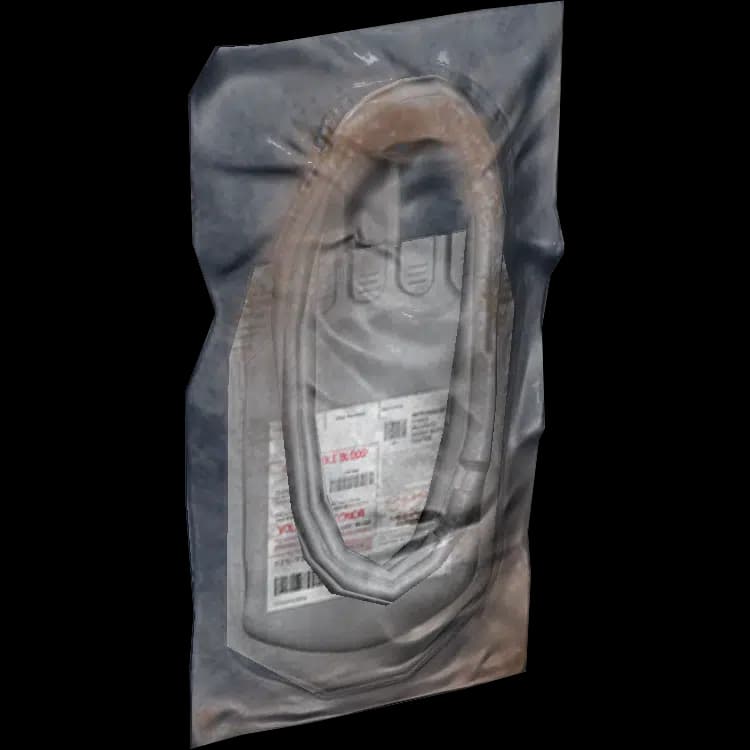
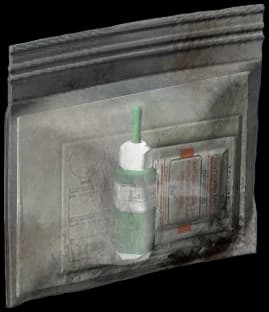
A Saline Bag or filled Blood Collection Kit needs an IV Start Kit before it becomes usable. Prepare the IV in advance when traveling with a group so the emergency action is not delayed by crafting and inventory management.
Test before giving blood
An incompatible transfusion can cause a Hemolytic Reaction. Use the chart as a quick reference, but test the survivor and blood bag whenever the type is uncertain.
Safe workflow
Collect, label, combine, transfuse
- Use a Blood Test Kit on the donor or filled bag.
- Collect blood while the donor is healthy and well supplied.
- Confirm the recipient can receive that type.
- Combine the filled bag with an IV Start Kit.
- Stop active bleeding before the transfusion.
| Recipient | Compatible donors | Note |
|---|---|---|
| O- | O- | Can only receive O-, but donates to all |
| O+ | O-, O+ | Test before use |
| A- | O-, A- | Test before use |
| A+ | O-, O+, A-, A+ | Test before use |
| B- | O-, B- | Test before use |
| B+ | O-, O+, B-, B+ | Test before use |
| AB- | O-, A-, B-, AB- | Test before use |
| AB+ | All blood types | Universal recipient |
Sick donor blood can carry disease
Collect emergency blood while the donor is healthy. A solo survivor can store their own tested blood for a guaranteed compatible transfusion later.
How the immune system actually works
Immunity is the average of four core values: Energy, Water, Blood, and Health. Temperature is not part of the calculation, but cold exposure still affects respiratory progression and resource drain.
Four inputs
Energy, Water, Blood, Health
Raising only food is not enough when the survivor has low Blood or Health. Recovery is strongest when all four values are maintained together.
Known thresholds
72% and 95% immunity
Around 72% immunity can overcome Common Cold and Influenza. Around 95% is needed for Cholera and Salmonellosis. Immunity does not cure every disease.
Temporary boost
Multivitamins reach 100%
Multivitamin Pills temporarily raise immunity to 100% for about five minutes. Use that window for prevention or treatment, not as a reason to deliberately consume unsafe food or water.
Energy
Nutrition reserve
Keep out of red and continue eating
Water
Hydration reserve
Use safe water and control vomiting
Blood
Circulating blood
Stop cuts and remain fed and hydrated
Health
Overall physical condition
Avoid damage and allow slow recovery
Sakhal water and contaminated zones
These hazards use different protection and medicine. Chlorine and boiling are not substitutes for heavy-metal treatment, and a gas mask alone is not a complete NBC setup.
Heavy metal risk
Treat Sakhal water correctly
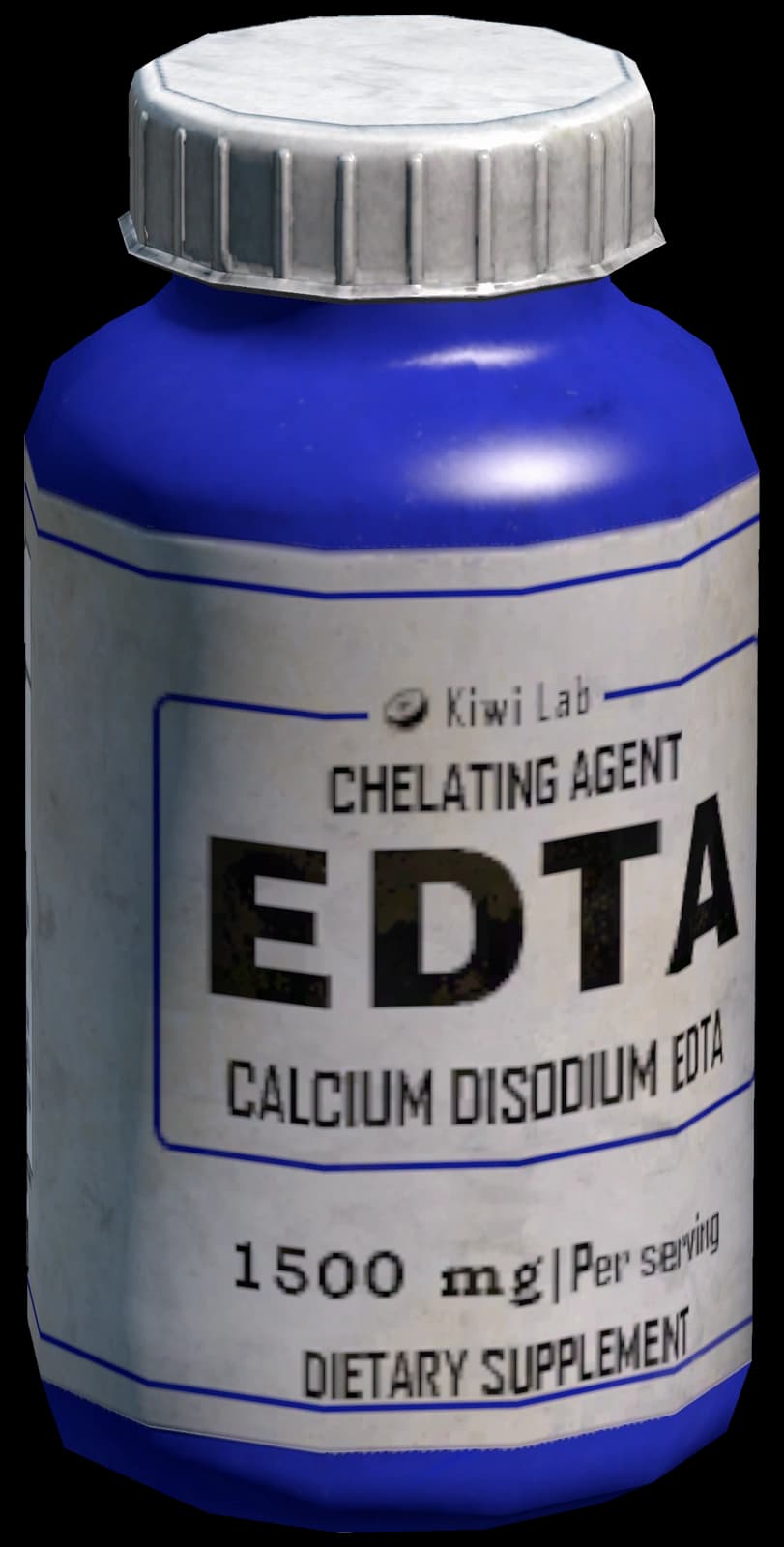
Snow and certain water sources can carry heavy-metal contamination. Chelating Tablets treat the illness and can protect during digestion while active. A Filtering Bottle is the practical water-processing tool. Boiling alone does not remove heavy metals.
Toxic gas
Complete coverage before entry
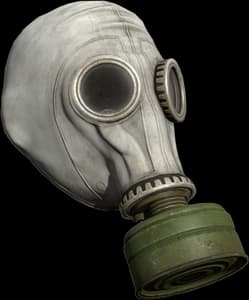
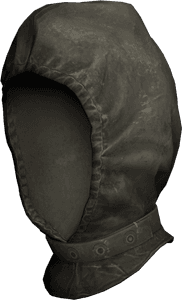
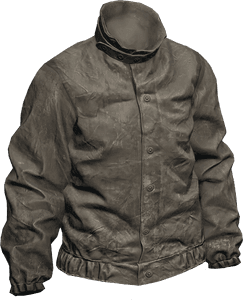
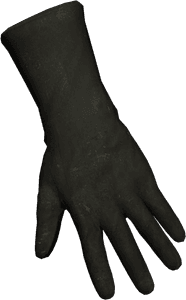
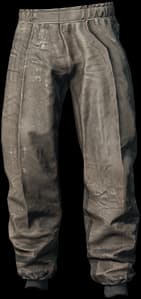
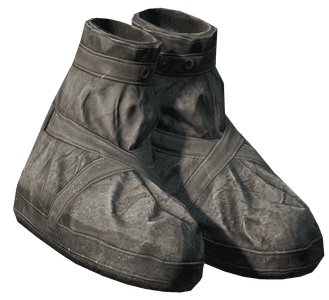
Protect the head, torso, hands, legs, feet, and lungs. Check mask-filter condition before crossing the gas boundary. After exposure, leave the zone, stop every cut, and use PO-X Antidote or clean compatible blood when required.
What the major medical items are for
Carry the treatment that matches the route. A coastal survival kit, military combat kit, Sakhal kit, and contaminated-zone kit should not use the same inventory priorities.
Disease treatment
Medicines and water safety
Practical medical loadouts
Medical supplies consume space and have different value at different stages of a run. These kits are priorities, not mandatory shopping lists.
Fresh spawn
Basic survival kit
- One Bandage or disinfected stack of Rags on the hotbar.
- One disinfectant when improvised wound care is likely.
- One useful medicine after visiting a clinic, preferably Multivitamins or Tetracycline.
- A Splint recipe available through sticks plus Bandage, Rags, or Duct Tape.
Combat route
Group and PvP kit
- Multiple Bandages split across teammates.
- Epinephrine for unconscious recovery.
- IV Saline or tested IV Blood for severe blood loss.
- Morphine and a Splint for fractures.
- Tetracycline for Wound Infection after emergency bandaging.
Sakhal
Cold and heavy-metal kit
- Heat Pack or reliable fire-starting supplies.
- Tetracycline and Multivitamins for respiratory progression.
- Chelating Tablets for heavy-metal exposure.
- Filtering Bottle when relying on snow or questionable water.
- Dry Bandages protected inside a container.
Gas zone
Contaminated-zone kit
- Complete NBC coverage plus a working gas mask and filter.
- Spare filter capacity or Charcoal Tablets when appropriate.
- Several Bandages for accidental cuts.
- PO-X Antidote for emergency treatment.
- Clean tested blood stored away from contaminated exposure.
Common medical mistakes
DayZ medicine is easier when you stop treating every sickness icon as the same problem and stop using emergency items before the survivor is safe.
Taking the wrong medicine
The sickness icon does not identify one disease. Trace the cause and symptoms before spending rare pills.
Stacking identical doses
Wait for the active medicine effect to expire before taking the same medicine again. Repeated instant doses do not multiply the effect.
Eating normally while vomiting
Large portions trigger more vomiting and erase progress. Use small bites and sips until the stomach tolerates them.
Counting temperature as immunity
Temperature is not one of the four immunity values. It still matters because cold exposure progresses respiratory illness and drains resources.
Using unknown blood
A fast transfusion is not worth a Hemolytic Reaction. Test the recipient and the blood whenever compatibility is uncertain.
Treating Morphine as a cure
Morphine improves temporary mobility. It does not repair a broken leg or replace a Splint.
Entering gas with one missing slot
Full respiratory and body coverage matters. A missing NBC piece can cause cuts and toxic exposure.
Waiting too long to bandage
Multiple cuts stack blood loss quickly. Get safe, stop every bleed, and only then reorganize or loot.
DayZ health FAQ
Fast answers to the medical questions that most often lead to incorrect treatment or avoidable death.
How do you cure Cholera in DayZ?
Use Tetracycline Pills, Multivitamin Pills, or sufficiently high immunity. Eat and drink in small amounts while vomiting risk remains, and stop using the contaminated water source.
How do you tell Cholera from Salmonellosis?
The symptoms overlap, so the likely exposure matters. Dirty water points toward Cholera, while raw meat or eating with bloody hands points toward Salmonellosis.
What controls immunity in DayZ?
Immunity is based on the average condition of Energy, Water, Blood, and Health. Temperature is not directly included, although being cold can worsen respiratory disease and drain resources.
How do you treat a Wound Infection?
Use Alcoholic Tincture, Iodine Tincture, or Disinfectant Spray directly on the wound during the early stage. Advanced infection requires Tetracycline Pills.
Does Morphine fix a broken leg?
No. Morphine improves temporary movement tolerance. A Splint is the proper fracture treatment and improves recovery and mobility while the leg heals.
What blood type is the universal donor?
O- is the universal red-blood-cell donor. AB+ can receive from all blood types. Test blood whenever the type is uncertain.
Can boiling remove heavy metals from Sakhal water?
No. Use a Filtering Bottle or Chelating Tablets for heavy-metal risk. Boiling can address biological contamination but does not remove heavy metals.
What do you need for a contaminated zone?
Use full NBC coverage for the head, torso, hands, legs, and feet, plus a compatible gas mask with a working filter.
Mechanic sources and further reading
Medical mechanics are detailed and can change with updates. These reference pages cover the systems used throughout this guide.
DayZ Wiki: Character Status
Health, blood, shock, regeneration, and unconsciousness.
DayZ Wiki: Immune System
Immunity calculation, potency thresholds, and recovery.
DayZ Wiki: Wound Infection
Infection causes, stages, prevention, and treatment.
DayZ Wiki: Influenza
Cold progression, fever, treatment, and pneumonia risk.
DayZ Wiki: Fracture
Broken-leg movement limits, Splints, Codeine, and Morphine.
DayZ Wiki: Heavy Metal Poisoning
Sakhal water risk, Chelating Tablets, and filtering.
DayZ Wiki: Medical Supplies
Medical equipment, medicines, disinfectants, and pain relief.
DayZ Wiki: IV Blood Bag
Blood collection, testing, compatibility, and transfusion.
Related DayZ guides
Health connects directly to food safety, clothing, crafting, repair, and the early survival loop.
Beginner Survival Guide
Food, water, temperature, infected, fires, and the first inland route.
Fishing Guide
Reliable food, clean preparation, bloody hands, and cooking safety.
Clothing Guide
Warmth, wetness, footwear, NBC equipment, and repairs.
Crafting Guide
Rags, Splints, fires, improvised equipment, and survival recipes.
Field summary
Safe, bandaged, diagnosed, supplied
Leave the threat, stop bleeding, trace the exposure, then use the correct treatment. Keep Energy, Water, Blood, and Health high, test blood before a transfusion, and prepare specialized medicine before cold or toxic routes.