
Prepare the planter
Place a Large Planter Box or plant pot, add seeds, and provide sunlight or a ceiling light.
Build a stable farm, manage irrigation, improve plant genetics, and turn repeatable harvests into food, teas, cloth, and scrap.
Place a Large Planter Box or plant pot, add seeds, and provide sunlight or a ceiling light.
Watch light, water, temperature, and ground. The lowest condition limits the plant.
Harvest at the ripe stage, then clone your best genetics for repeatable crop cycles.
Filter the full crop list or search by plant, location, and use.
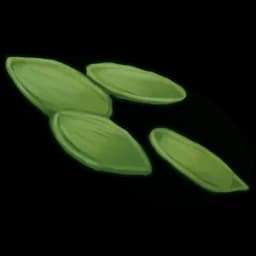
Grasslands, jungle

Rivers, Bandit Camp

Rivers
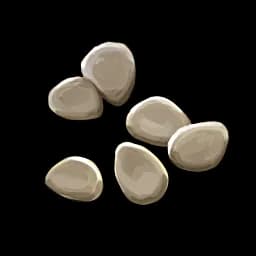
Forests
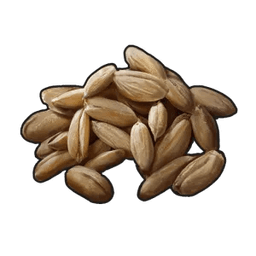
Rivers

Forests, jungles
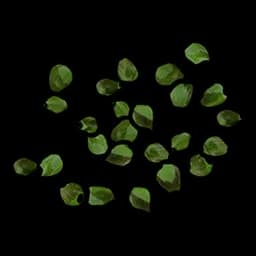
Forests, jungles
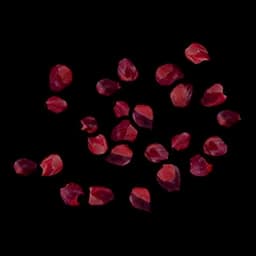
Forests, jungles
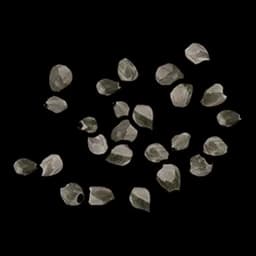
Forests, jungles
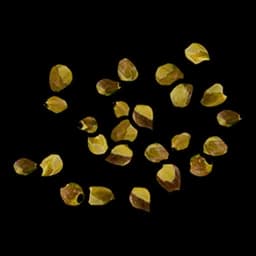
Forests, jungles
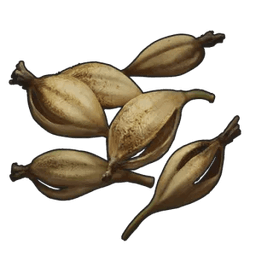
Forests, jungles
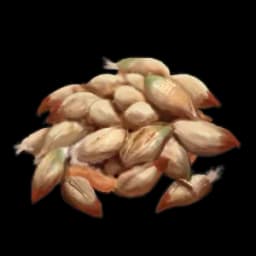
Forests, jungles
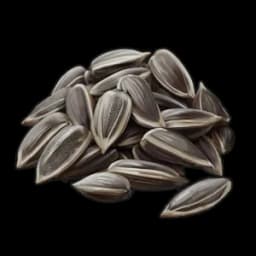
Forests, jungles
Use these systems together to keep cycles consistent and improve every harvest.
Keep planter water stable around 60–65%. Too little slows growth; excess water wastes efficiency.
Target 3G / 3Y for faster cycles or 2G / 4Y for stronger yield, then clone and preserve that plant.
01HempCloth production and scrap trading
02BerriesTea crafting and combat buffs
03CornFood, horse feed, and scrap trading
04PotatoesReliable food and cooking ingredients
05PumpkinsStrong food with useful healing
Farming can create repeatable scrap income when your crop cycles stay supplied and protected.
01Clone your strongest plants and store backup clones.
02Keep water stable instead of repeatedly overfilling planters.
03Separate breeding plants to avoid accidental crossbreeding.
04Use Chicken Pies when you want additional farming efficiency.
Open RustBreeder genetics tool